I have another post about the wild flowers at the magical Ermita de San Antonio but have begun noticing other wildflowers that are at higher elevations or maybe just have not yet seen them there, so I will start a new reference note to the flowers I discover on my walks around Cercedilla.
Narcissus rupicola
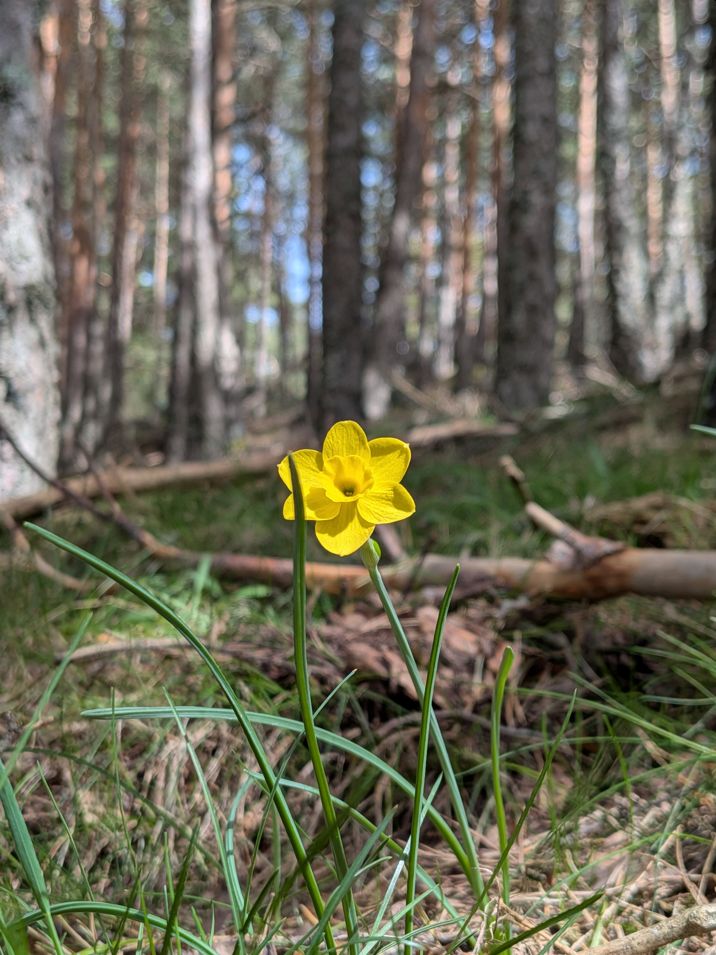
- EN Common Name: rock daffodil
- ES Common Name: narciso silvestre
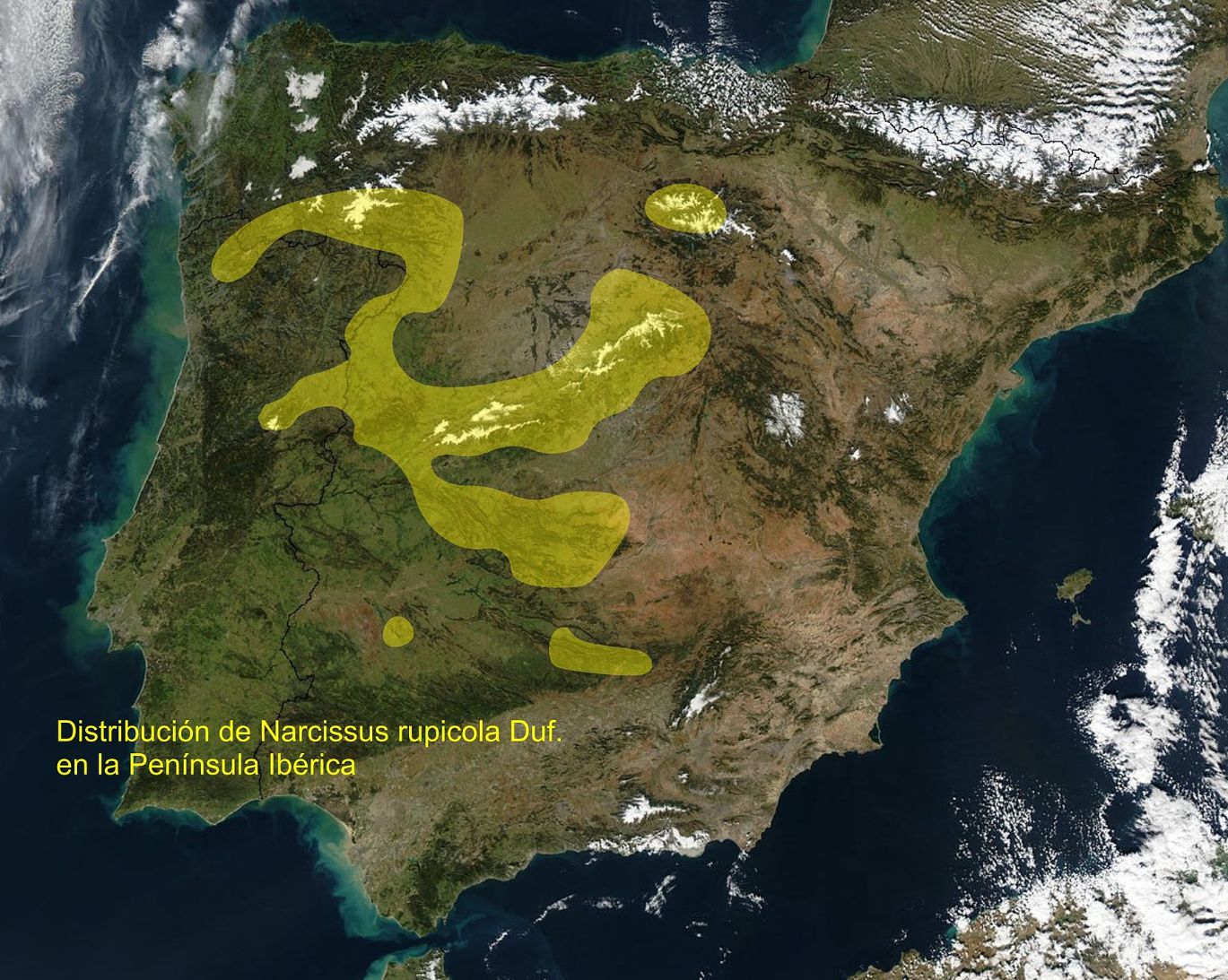
- Notes: this is a small wild daffodil native to the Iberian Peninsula! Check out its distribution according to the Wikipedia article:
- When and where seen:
- 10/04/2026 First ever sighting for me on a walk along the train tracks that are being rebuilt between Cercedilla and Navalcerrada. Pretty high up in the mountains (put how high here)
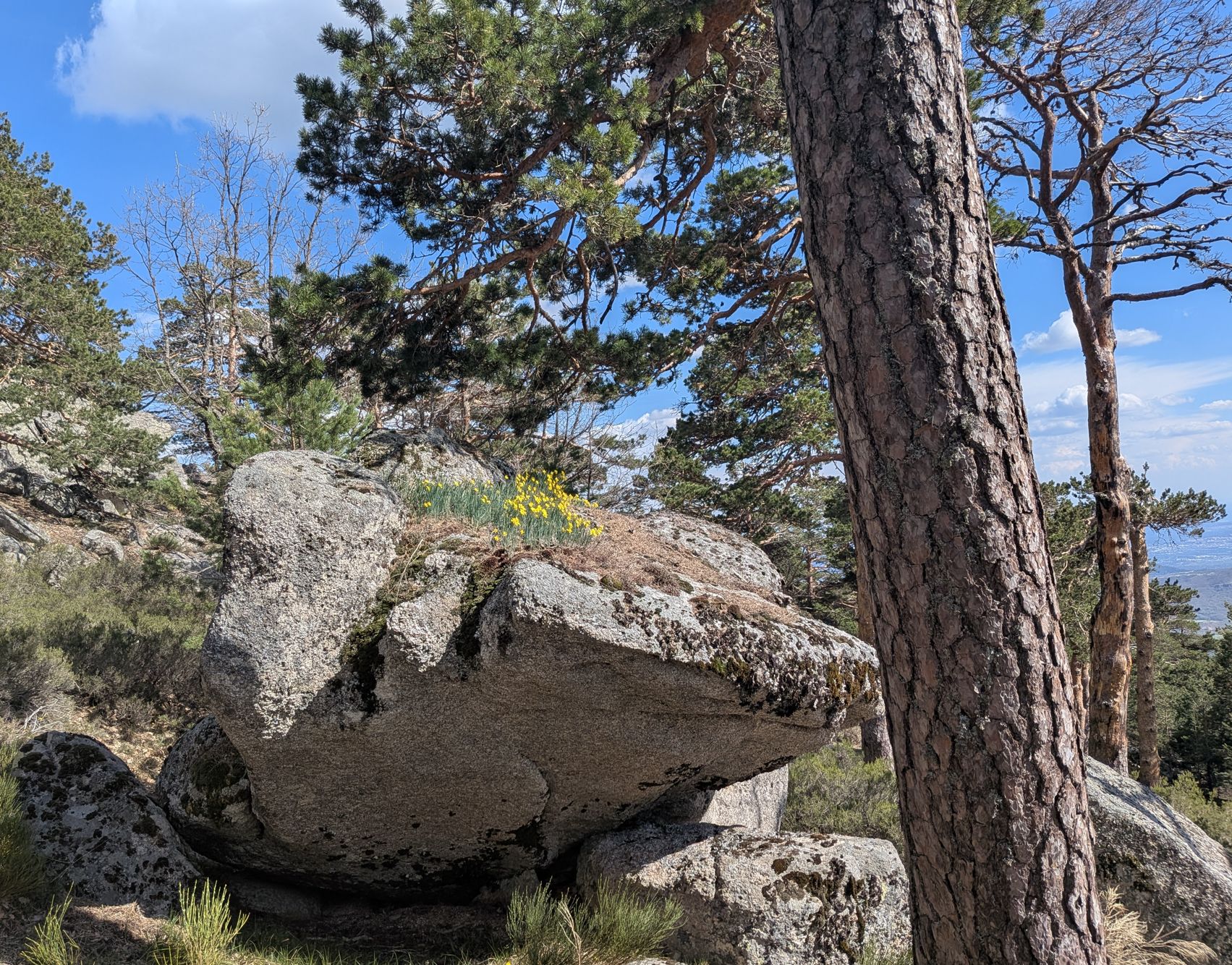
- 18/04/2026 Coming down from Majalasna Peak I saw a cluster of them growing on top of a bolder:
Narcissus triandrus
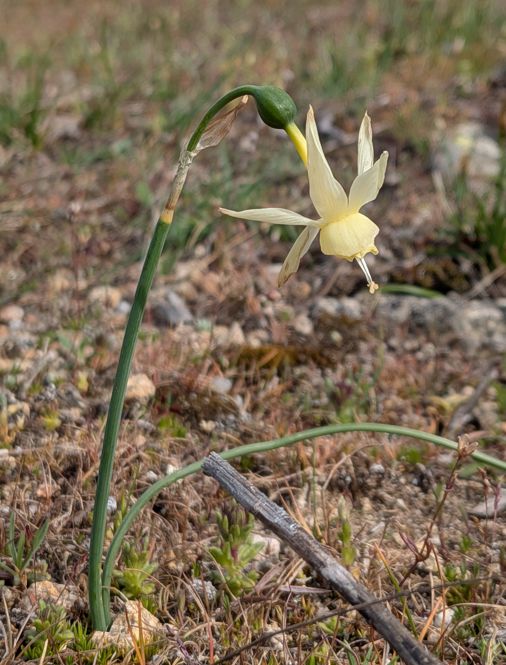
- EN Common Name: angel’s tears daffodil
- ES Common Name: narciso llorón
- Notes: Native to France, Spain and Portugal where it grows in woodlands, scrubland and exposed mountain habitats in acidic soils.
- When and where seen:
- 09/04/2026 First ever sighting on hill above San Antonio Hermita
Narcissus bulbocodium
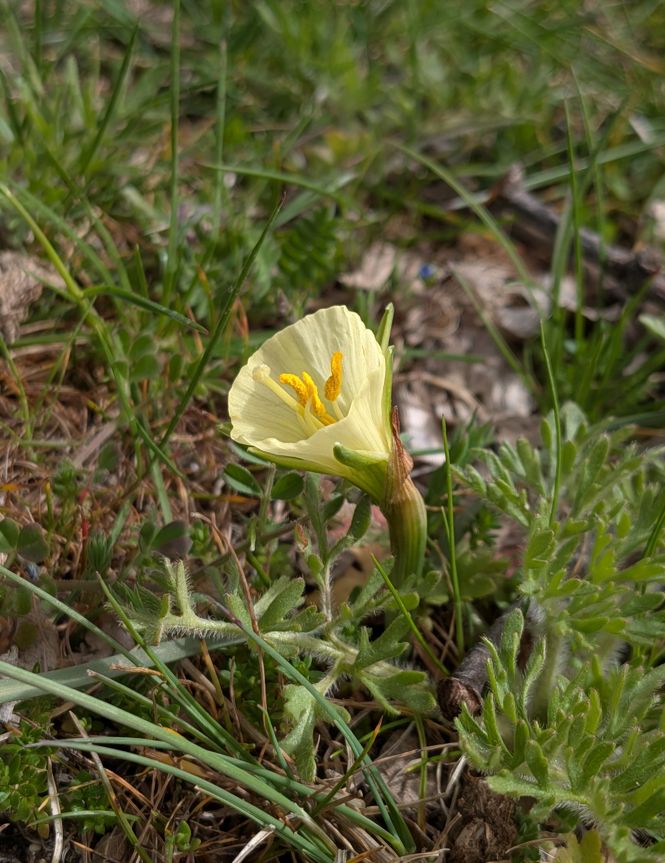
- EN Common Name: petticoat daffodil or hoop-petticoat daffodil
- ES Common Name: narciso de campana or narciso trompeta
- Notes: Native to southern and western France, Portugal, and Spain.
- Size reference:
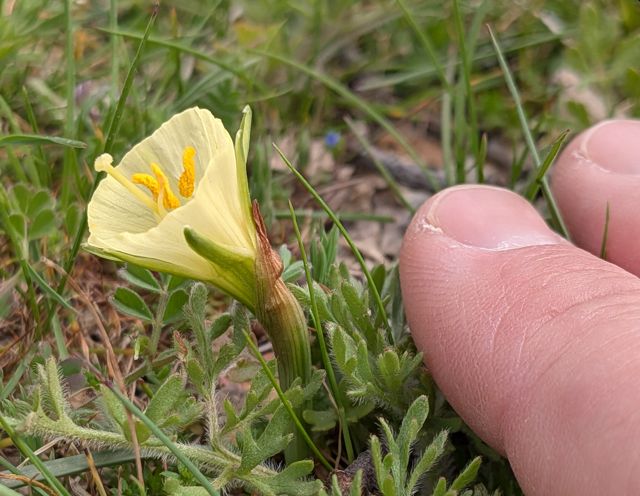
- When and where seen:
- 11/04/2026 First ever sighting on hill in front of San Antonio Hermita
Fumaria muralis
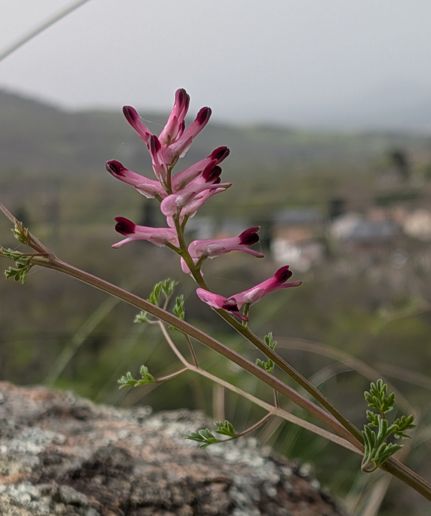
- EN Common Name: ramping-fumitory or wall fumitory
- ES Common Name: fumaria
- Notes: native to temperate and Mediterranean regions of western Europe and western North Africa.
- Size reference:
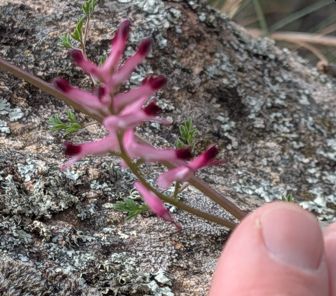
- When and where seen:
- 11/04/2026 First ever sighting on hill in front of San Antonio Hermita
Viola kitaibeliana
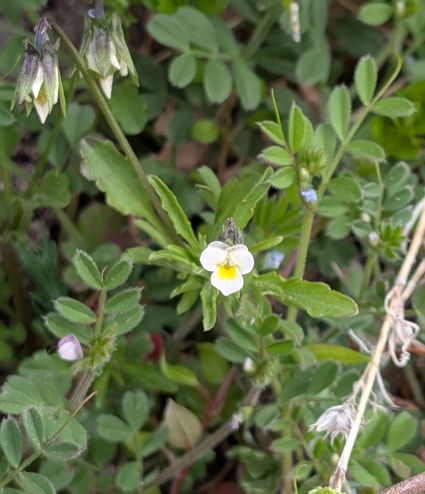
- EN Common Name: dwarf violet
- ES Common Name: pensamiento enano
- Notes: native to a large area from the Canary Islands, across Europe, to northern Iran and southern Turkmenistan.
- Size reference:
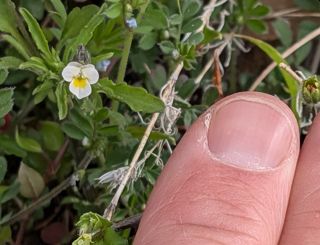
- When and where seen:
- 11/04/2026 First ever sighting on hill in front of San Antonio Hermita
Gagea iberica
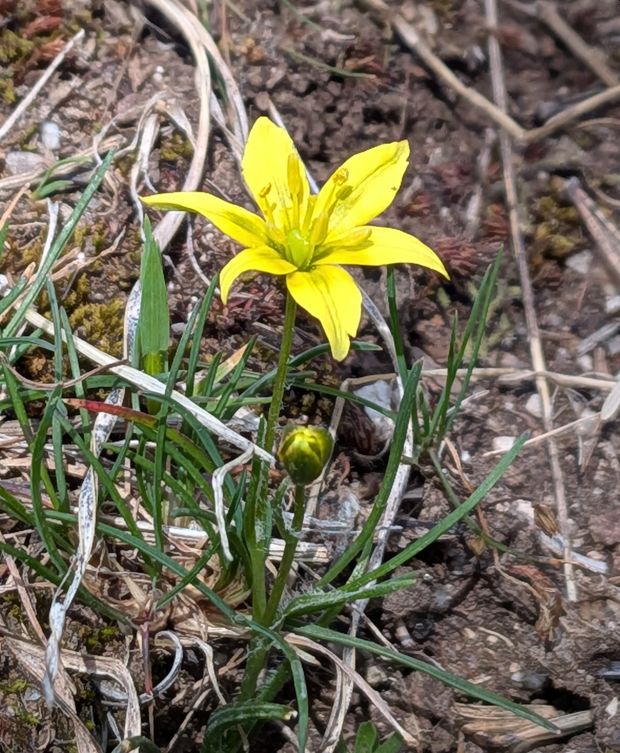
- EN Common Name: ellow Star-of-Bethlehem
- ES Common Name: estrella amarilla
- Notes: Gagea iberica is an old name for what is now called Gagea nevadensis, a tiny Iberian endemic that flowers early in spring in the mountain pastures and rocky slopes of the Sierra de Guadarrama.
- Size reference:
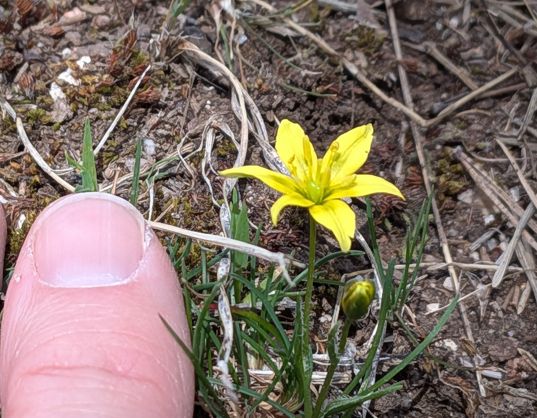
- When and where seen:
- 17/04/2026 First ever sighting going up the trail Camino de las Encinillas
Ranunculus carpetanus
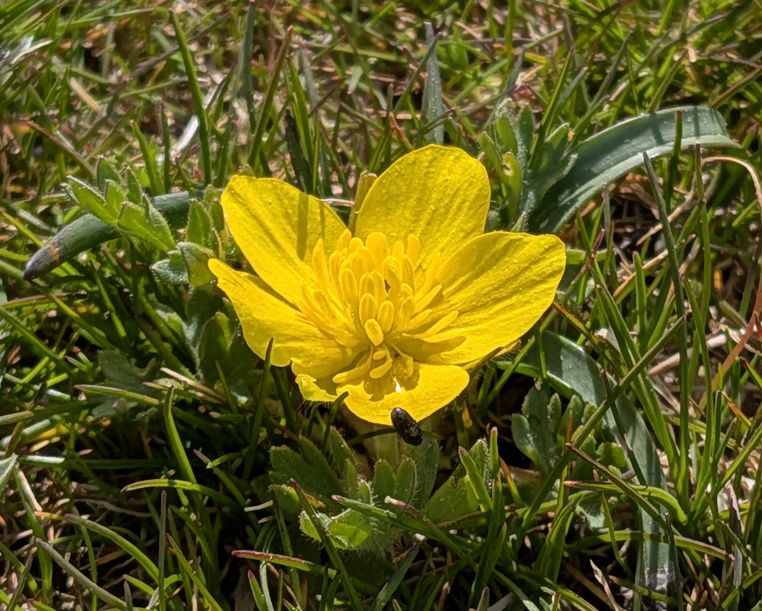
- EN Common Name: carpetan buttercup
- ES Common Name: botón de oro
- Notes: a flowering herbaceous plant in the buttercup family Ranunculaceae, native to the mountains of the central and western Iberian Peninsula. It is currently treated as a synonym or subspecies of Ranunculus ollissiponensis, reflecting close morphological and geographic affinity.
- Size reference:
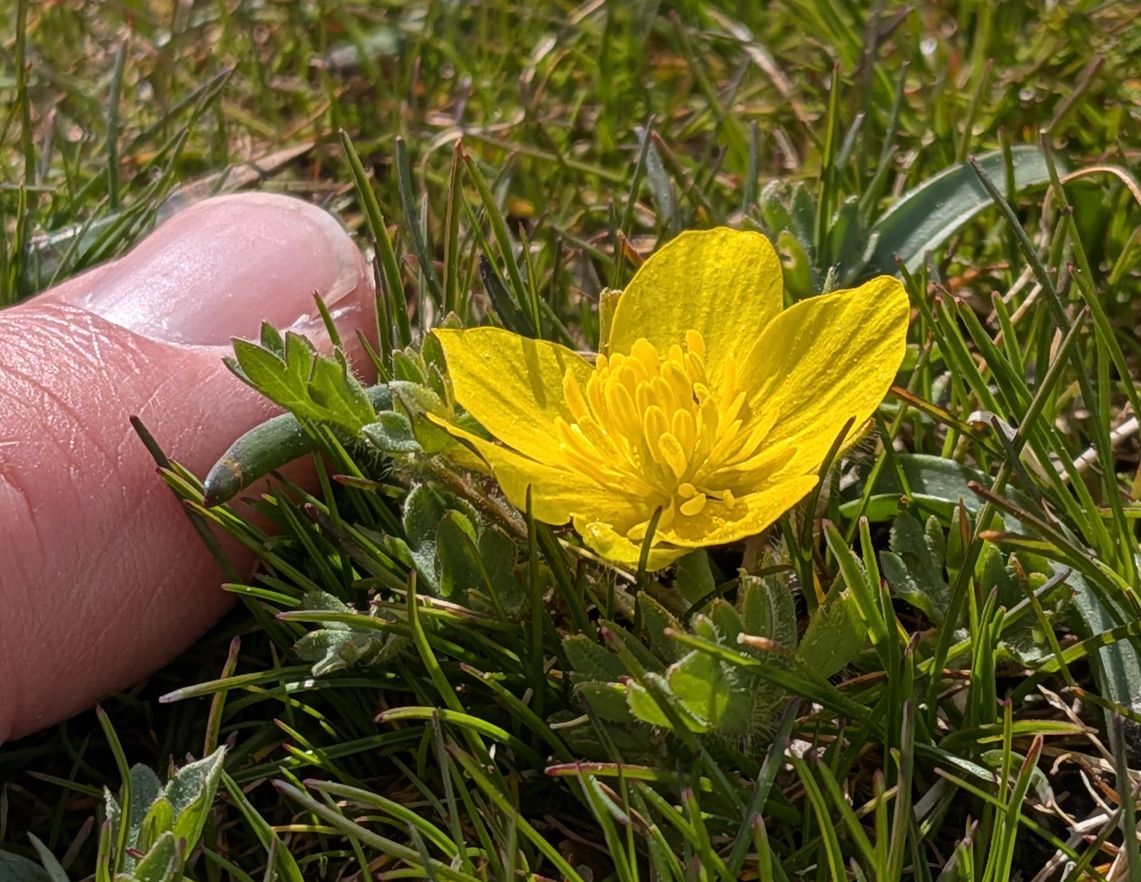
- When and where seen:
- 18/04/2026 First ever sighting meadow at the base of Majalasna Peak (first of the Seven Picos) at an altitude of 1,918 meters (6292 feet)
Paeonia broteri
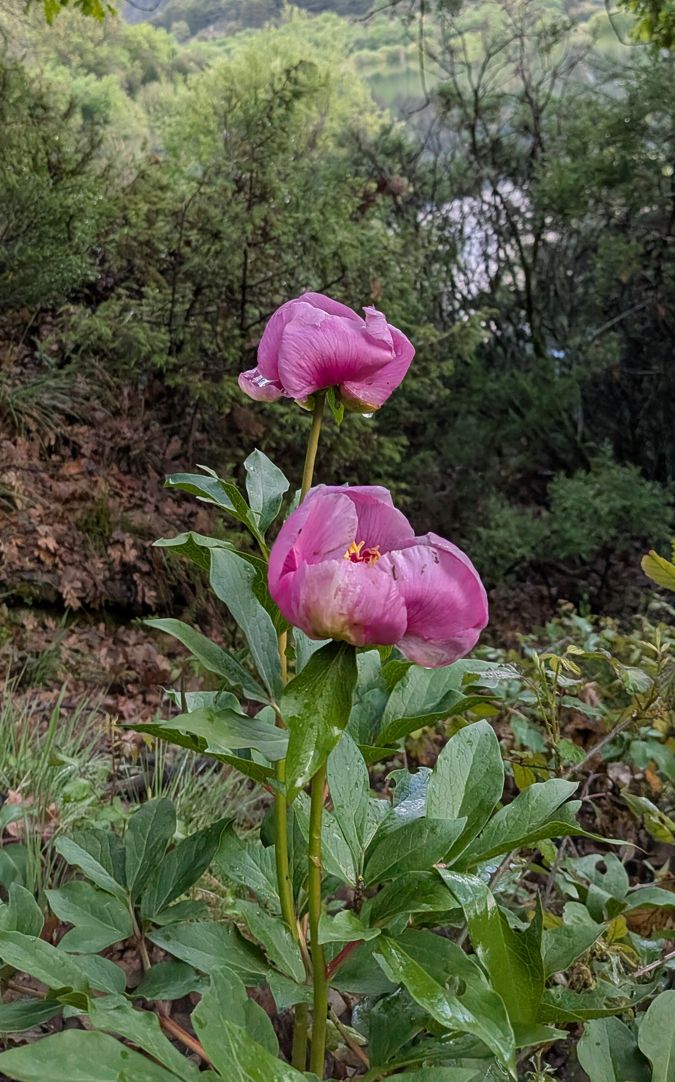
- EN Common Name: Iberian peony
- ES Common Name: peonía
- Notes: It is an endemic species of the Iberian Peninsula.
- Size reference:
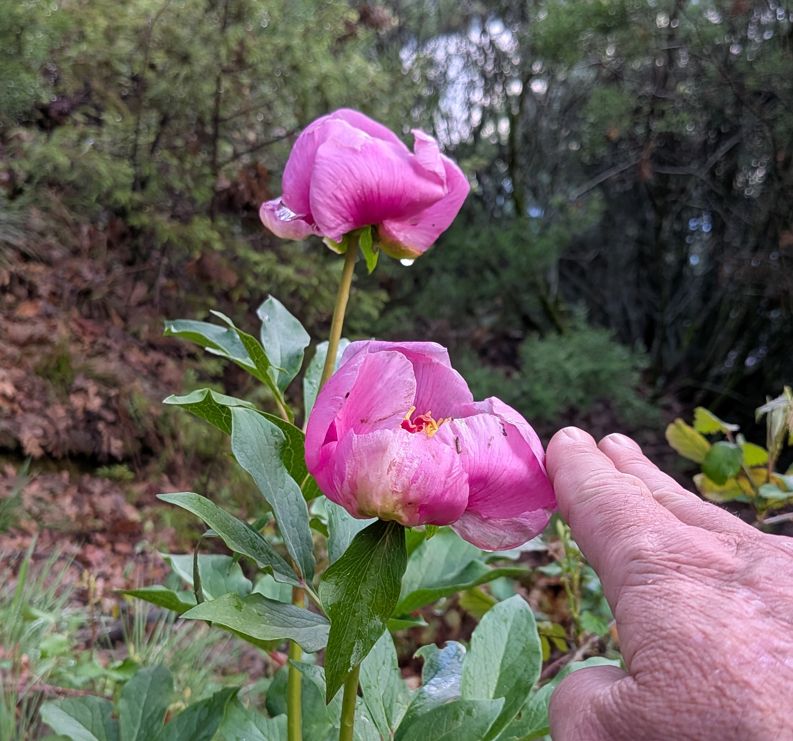
- When and where seen:
- 02/05/2026 First ever sighting near the Navalmedio Dam
Silene dichotoma
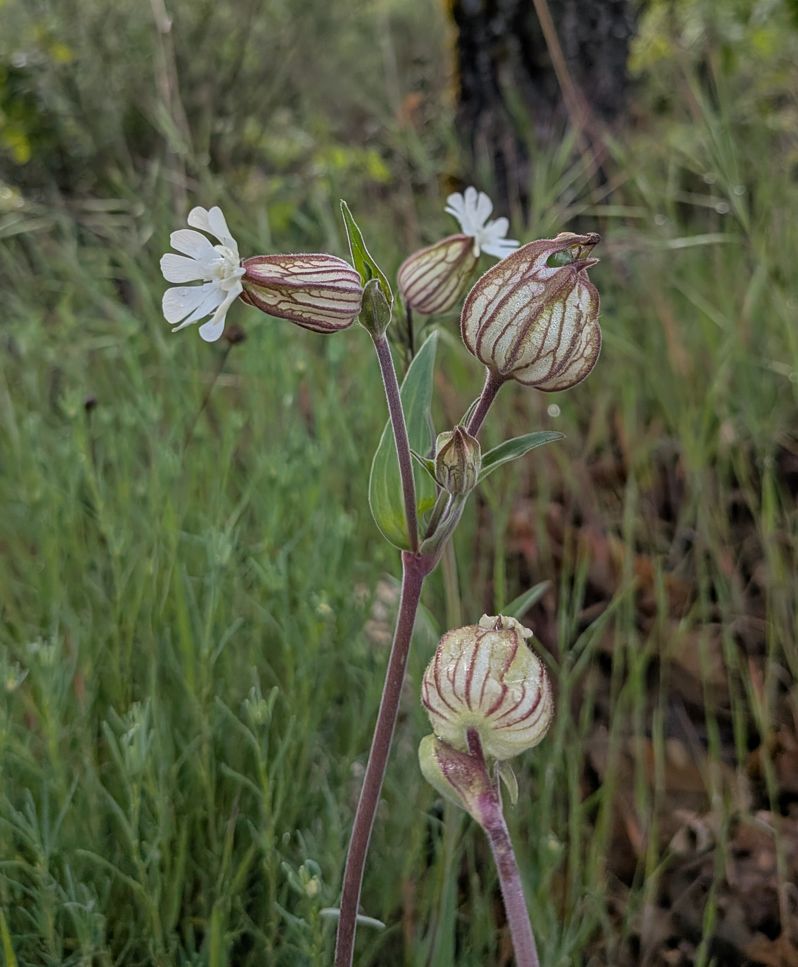
- EN Common Name: forked catchfly
- ES Common Name: colleja
- Notes: Apparently the shoots are edible similar and are eaten mixed with scrambled eggs (revuelto de collejas)
- Size reference:
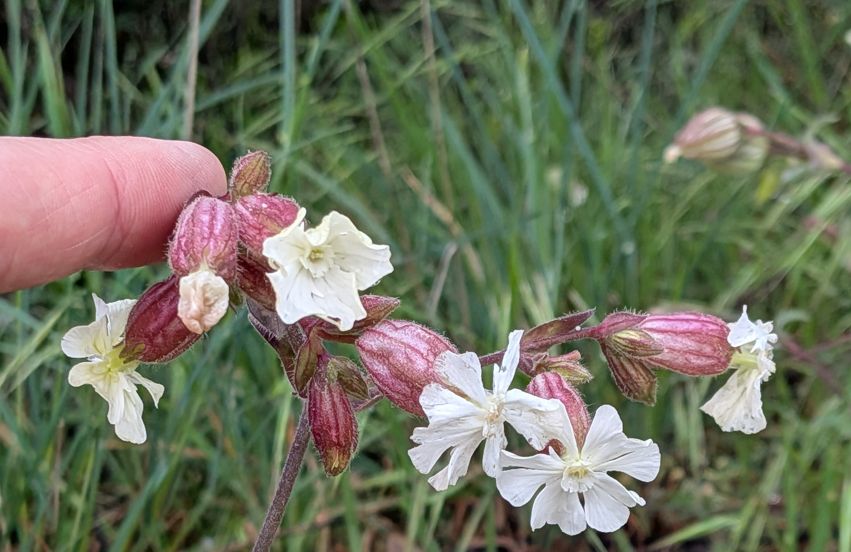
- When and where seen:
- 02/05/2026 First ever sighting walking up to Navalmedio dam
Tuberaria guttata
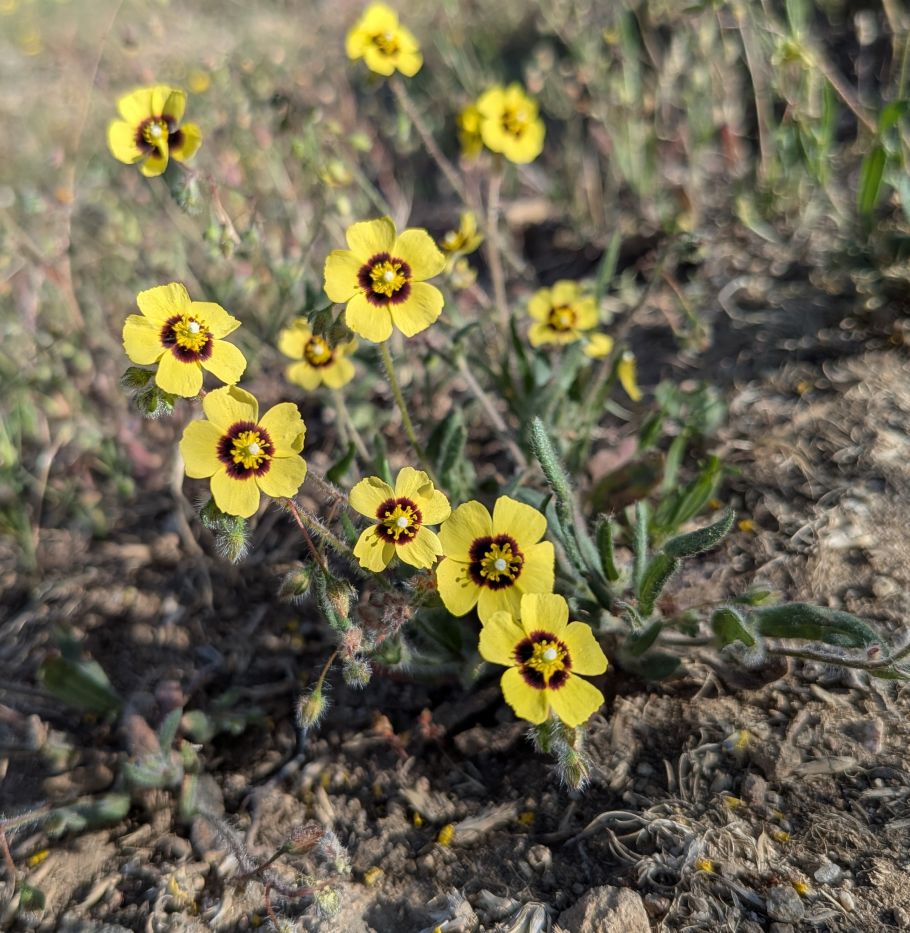
- EN Common Name: spotted Rock-rose
- ES Common Name: jarilla manchada / tuberaria
- Notes: The flowers are famously ephemeral — each individual bloom lasts only a few hours, typically opening in the morning sunshine and dropping its petals by early afternoon.
- Size reference:
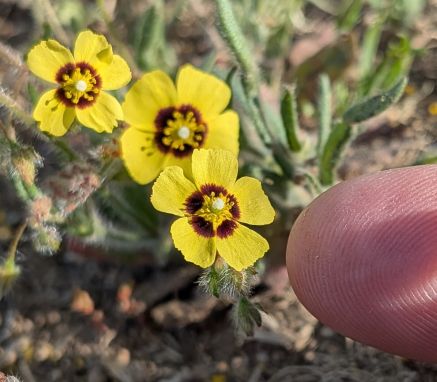
- When and where seen:
- 31/05/2026 First ever walking up to Cerro del Coral de Simon
Silene colorata
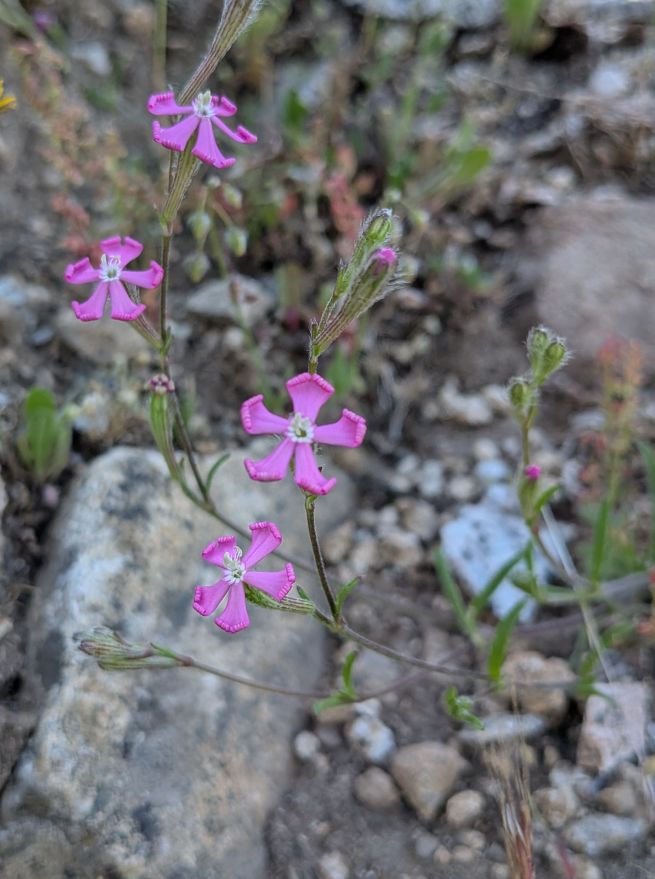
- EN Common Name: coloured catchfly
- ES Common Name: colleja colorada / silene colorada
- Notes: Like many Silene species, it has a sticky, hairy stem — this is the “catchfly” part of the name. Small insects get trapped on the stems, which may deter crawling insects from stealing nectar without pollinating the flower, though it doesn’t digest them like a true carnivorous plant.
- When and where seen:
- 31/05/2026 First ever walking up to Cerro del Coral de Simon
Digitalis thapsi
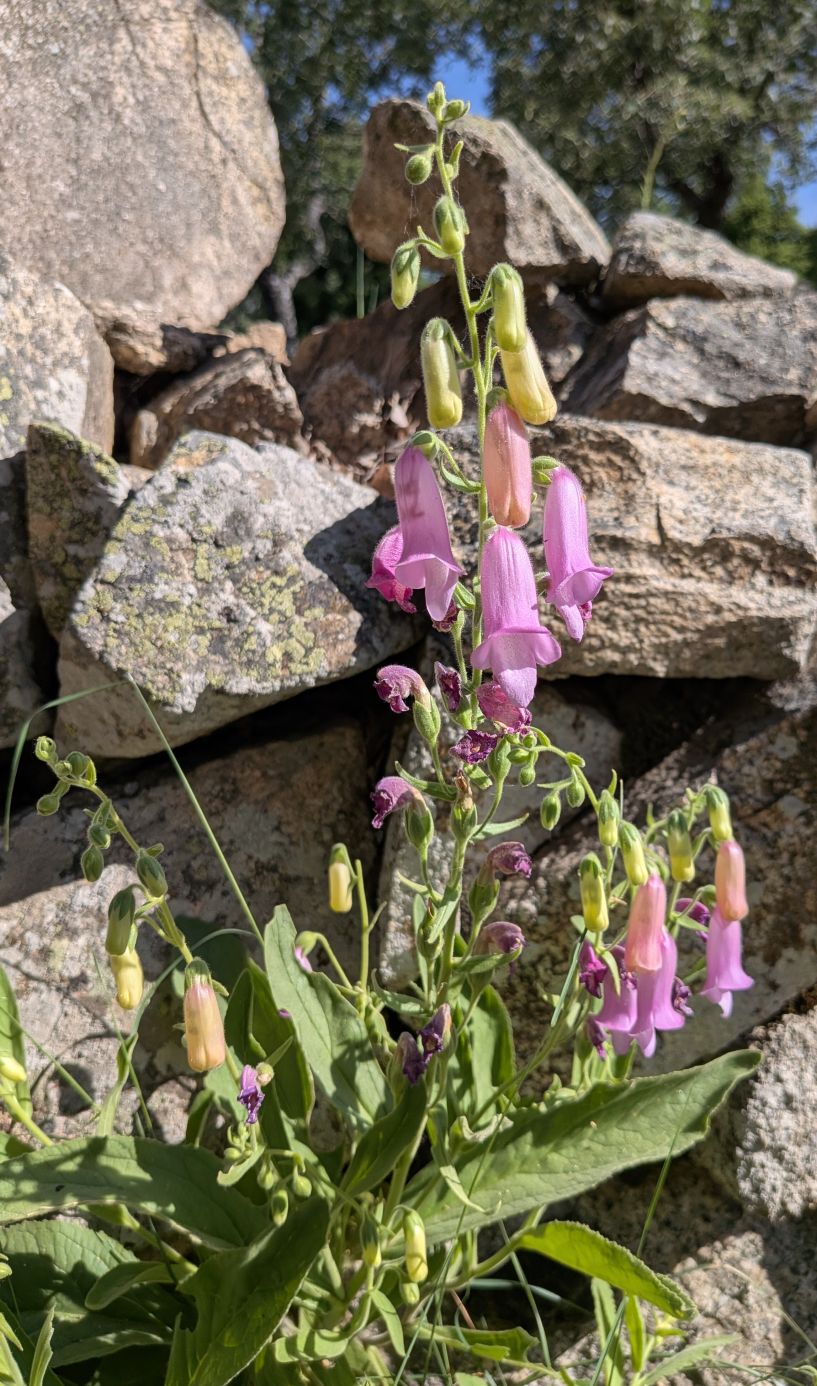
- EN Common Name: Spanish Foxglove
- ES Common Name: dedalera / dedalera lanuda
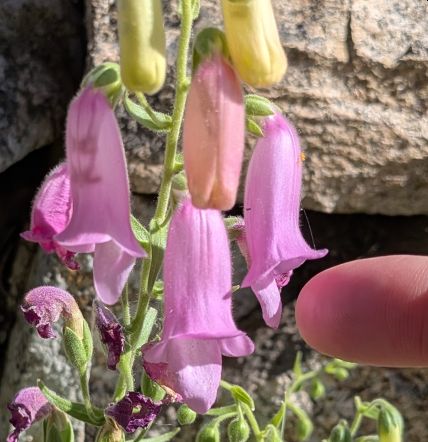
- Notes: A Iberian endemic plant! It contains powerful cardiac glycosides (digitoxin and related compounds), which are highly toxic but also the basis of important heart medicines. The name Digitalis comes from digitus (finger) — the flowers fit over a fingertip like a thimble, which is also the origin of the Spanish dedalera (dedal = thimble).
- Size reference:
- When and where seen:
- 31/05/2026 First ever walking up to Cerro del Coral de Simon
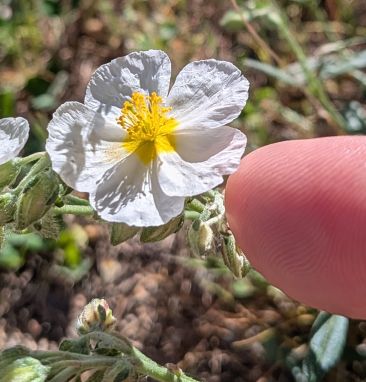
Cistus laurifolius
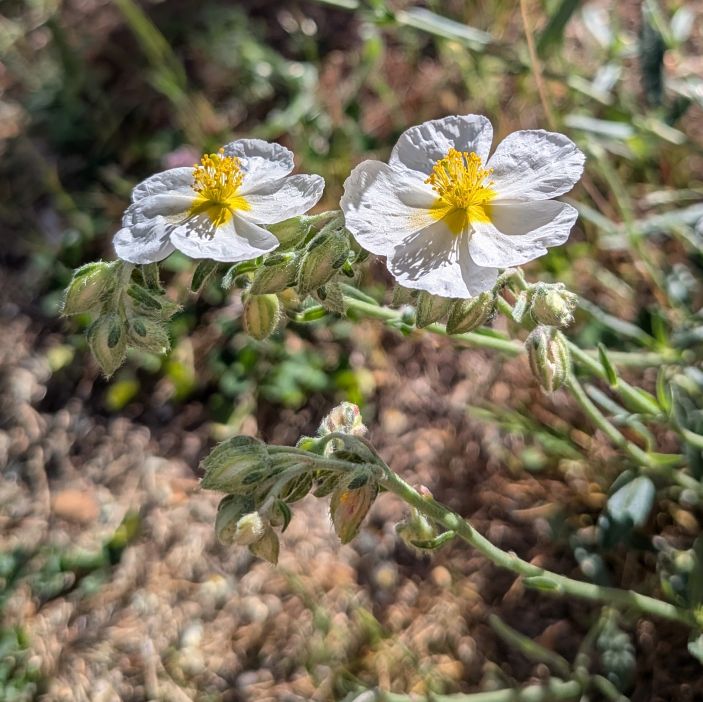
- EN Common Name: laurel-leaved rock-rose / laurel Cistus
- ES Common Name: jara estepa / Jara laurifolia
- Notes: Each flower lasts only a single day! This is the hardiest and most cold-tolerant of all the cistus species, which is why it’s so dominant in the Sierra de Guadarrama at higher elevations. While other cistus struggle with frost, C. laurifolius thrives in the mountain scrub right up to the treeline.
- Size reference:
- When and where seen:
- 31/05/2026 First ever walking up to Cerro del Coral de Simon
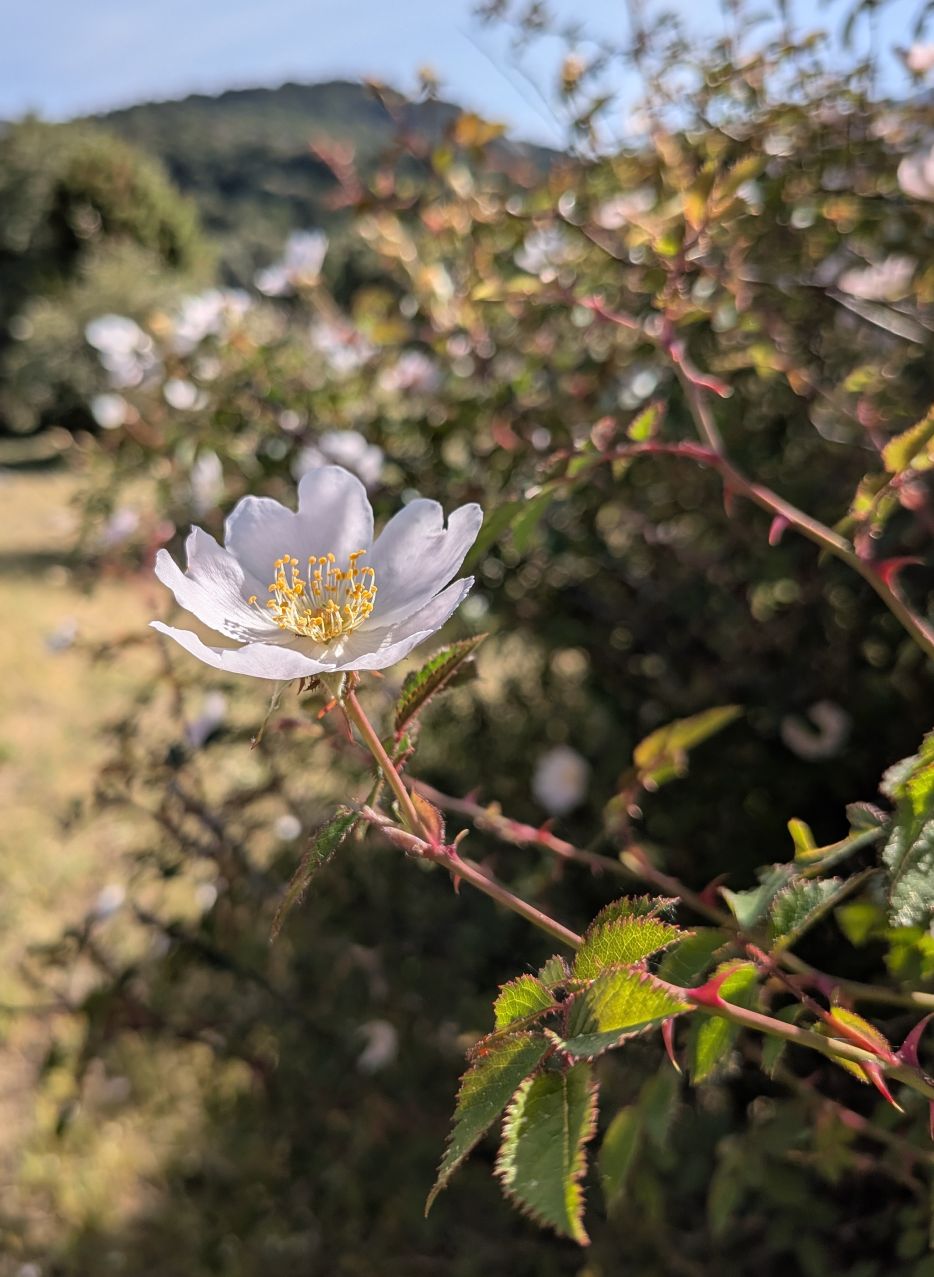
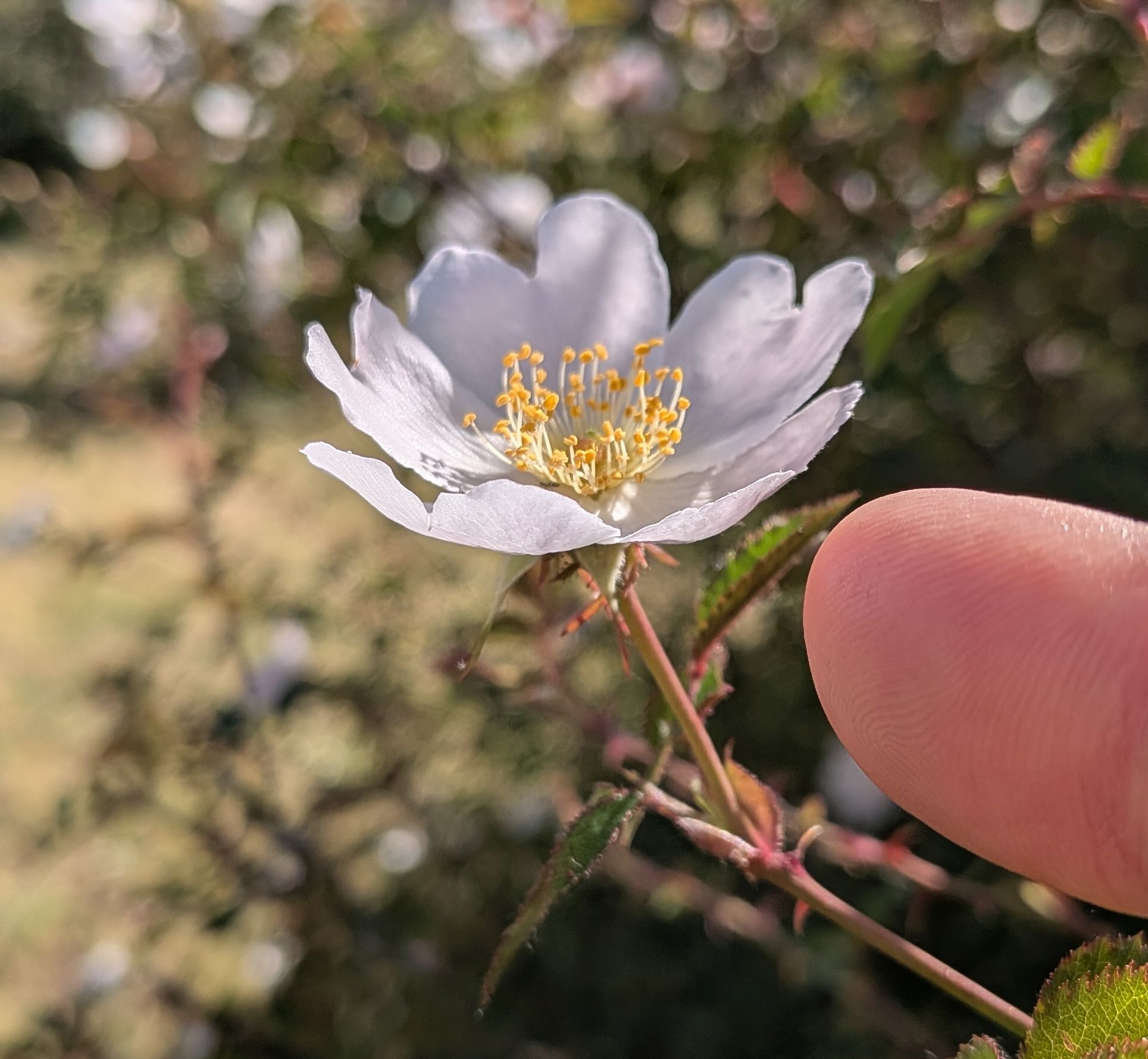
Rosa canina
- EN Common Name: dog rose
- ES Common Name: escaramujo / rosa silvestre / rosa canina
- Notes: The name “Dog Rose” is ancient and slightly mysterious — one theory is that it derives from the Greek cynorrhodon, referring to a belief that the root could cure rabies (a dog bite). Another is simply that it was considered a “common” or inferior rose compared to cultivated varieties.
- Size reference:
- When and where seen:
- 31/05/2026 First ever walking up to Cerro del Coral de Simon
Thanks for reading and feel free to give feedback or comments via email (andrew@jupiterstation.net).